8 Reasons Why People Are Ditching Coffee for Matcha Instead
Coffee has long been the go-to morning ritual for energy, productivity, and focus. But lately, more people are reaching for matcha instead—and not just because it looks beautiful in a cup. Matcha has become a staple in modern wellness routines because it offers something many coffee drinkers are searching for: sustained energy, calm focus, and a more intentional daily ritual. And when you start with high-quality ceremonial-grade matcha, like FKRO Matcha’s premium Japanese matcha, you experience the true depth of what matcha has to offer. Let’s explore the science-backed benefits of matcha, and why so many people are making the shift.
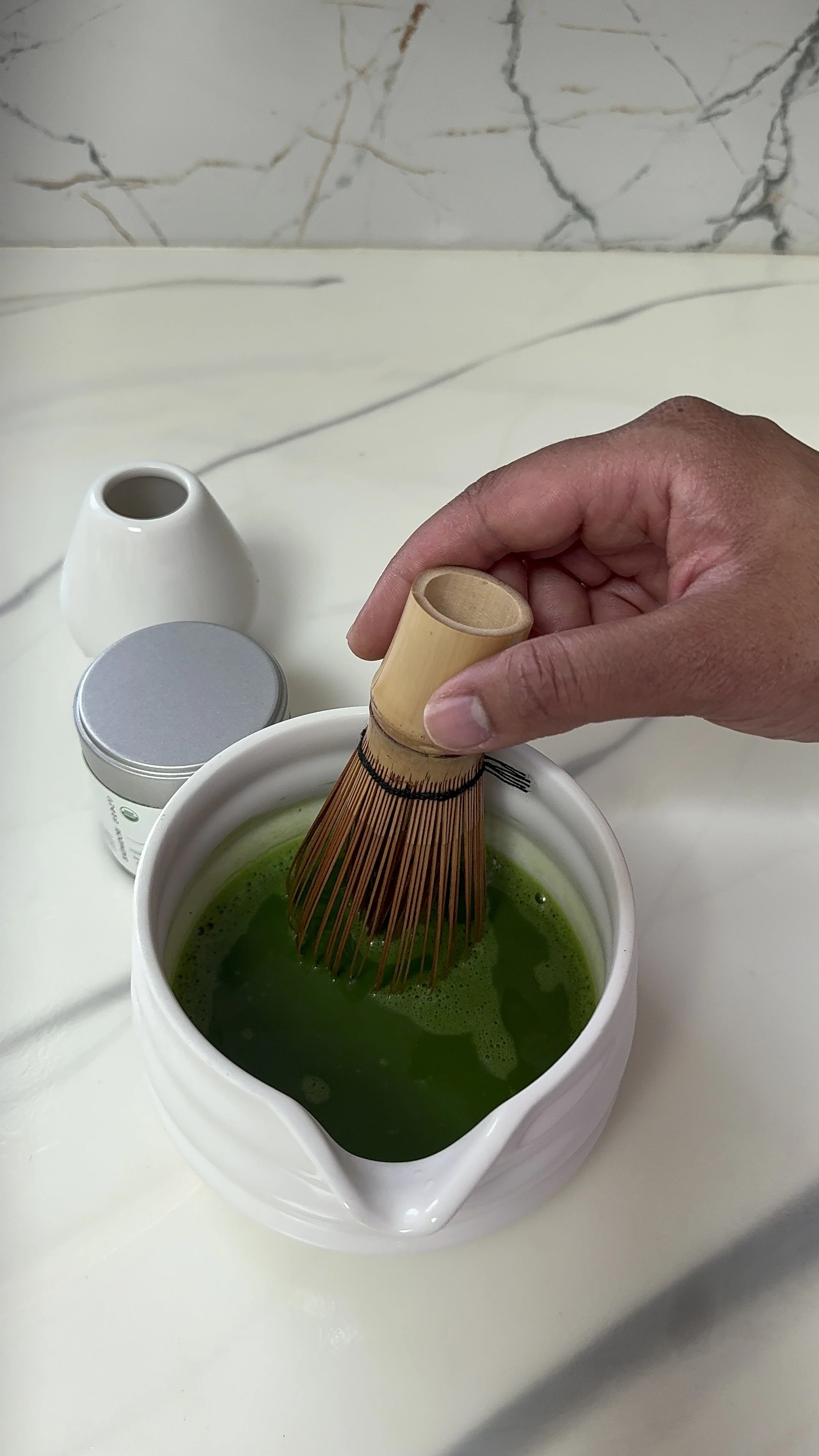
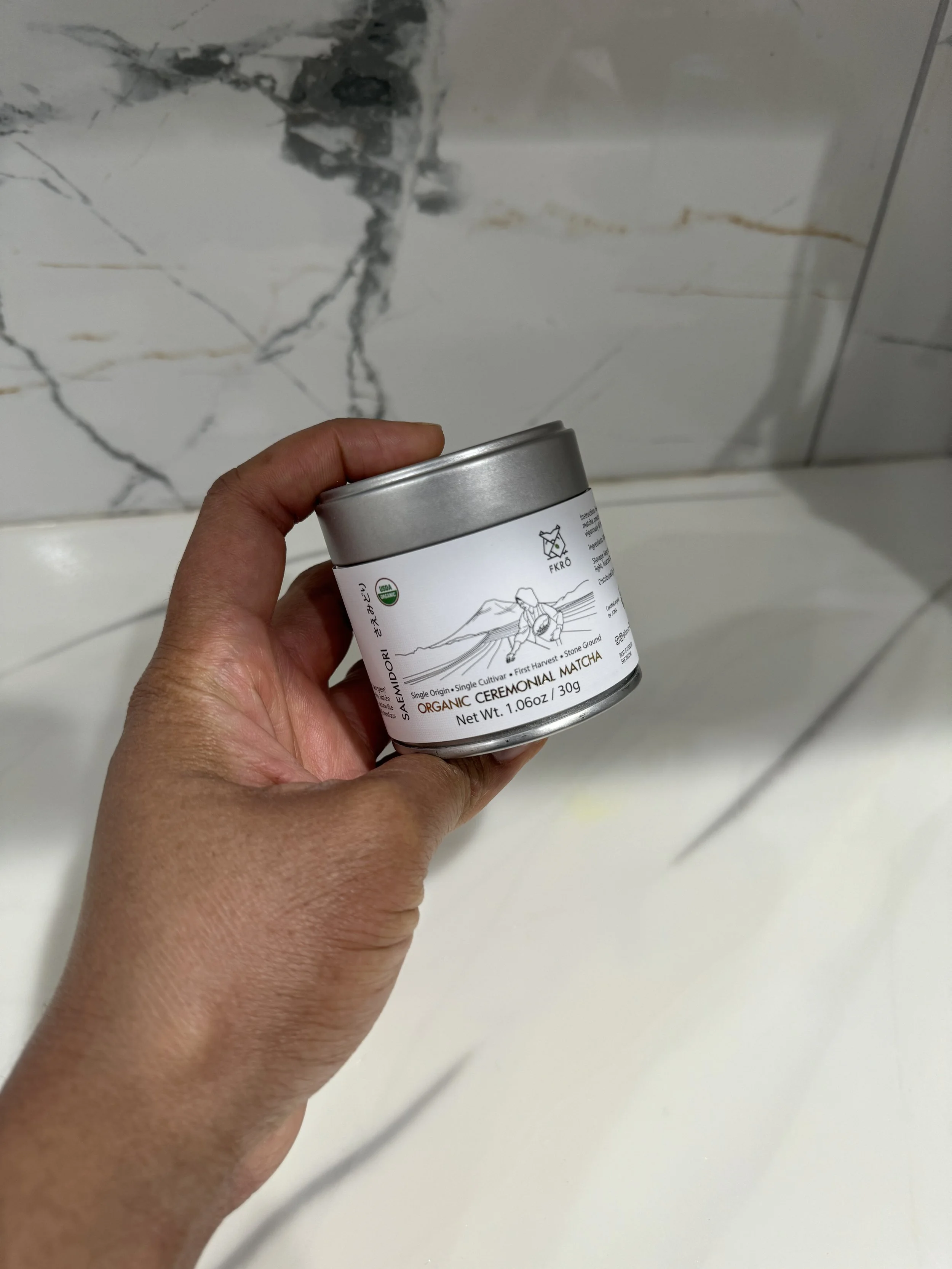
Meet the Matcha Behind My Ritual: FKRO Matcha
Before diving into the science, it’s important to talk about quality—because not all matcha is created equal. We’ve recently been incorporating FKRO Matcha’s premium ceremonial-grade Japanese matcha into our routine, and what makes it stand out is its craftsmanship and origin.
This matcha comes from a family farm in Tenryū, Shizuoka, Japan, a region known for producing some of the highest-quality matcha in the world. Each batch is stone-ground, a traditional process that helps preserve its vibrant emerald color, silky texture, and naturally sweet, refined umami flavor.
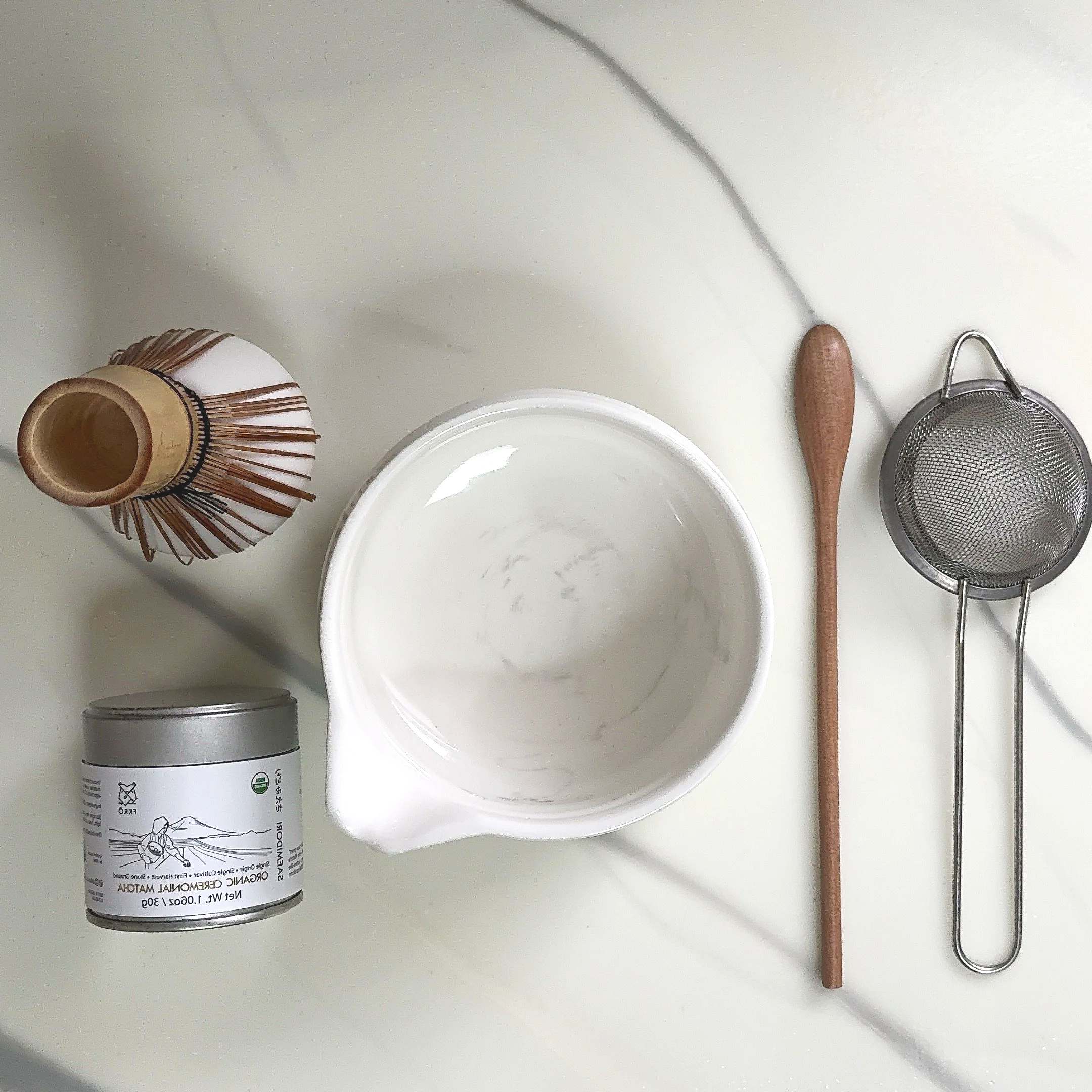
Crafted from the prized Saemidori cultivar, this ceremonial-grade matcha delivers:
A smooth, buttery flavor
Gentle sweetness with subtle umami
Delicate nutty tasting notes, similar to cashew
A silky texture ideal for lattes, smoothies, and traditional usucha
What we love most is how it supports an elevated daily ritual—something calming, intentional, and energizing at the same time.
1. Matcha Provides Sustained Energy Without the Crash
One of the biggest reasons people are switching from coffee to matcha is the difference in how the energy feels. Matcha contains caffeine, but unlike coffee, it also contains an amino acid called L-theanine, which slows the absorption of caffeine into the bloodstream.
What this means in everyday life:
Instead of experiencing jitteriness or sudden crashes, many people report:
More stable energy levels
Clearer focus
Reduced anxiety compared to coffee
Fewer afternoon slumps
With ceremonial-grade matcha like FKRO’s, the smooth taste also means fewer added sugars are needed to enjoy it.
2. Matcha Is Rich in Powerful Antioxidants
Matcha is loaded with catechins, a class of antioxidants that help protect cells from oxidative stress.
One of the most researched catechins in matcha is epigallocatechin gallate (EGCG).
Why antioxidants matter:
Antioxidants help:
Neutralize free radicals
Support cellular health
Promote healthy aging
Reduce oxidative stress
This is one reason matcha has long been associated with longevity-focused cultures.
3. Matcha May Support Brain Function and Mental Clarity
Matcha’s combination of caffeine and L-theanine creates what researchers often describe as a synergistic effect on brain performance.
Studies have found that the green tea compounds improved:
Attention
Memory performance
Reaction time
Many people describe the feeling as focused but calm, rather than wired or overstimulated.
4. Matcha May Support Metabolism and Fat Oxidation
Matcha is often included in wellness routines because of its potential metabolic benefits. Research has shown that green tea catechins increased fat oxidation during moderate physical activity.
While matcha is not a weight-loss solution on its own, it may support metabolic function when paired with:
Regular movement
Balanced meals
Healthy daily habits
5. Matcha Supports Heart Health
Matcha’s antioxidant properties may also contribute to cardiovascular health.
Studies suggest that regular green tea consumption is associated with improved cholesterol markers and reduced risk factors related to heart disease.
Catechins found in matcha may help:
Support healthy cholesterol levels
Encourage circulation
Promote blood vessel health
6. Matcha Contains Chlorophyll That Supports Natural Detox Processes
Matcha’s vibrant green color isn’t just beautiful—it’s a sign of its high chlorophyll content.
Matcha leaves are shade-grown before harvest, which increases chlorophyll production. Chlorophyll has been studied for its ability to support the body’s natural detoxification pathways by binding to certain compounds. Because ceremonial-grade matcha like FKRO’s is finely stone-ground, you consume the entire leaf, maximizing nutrient exposure.
7. Matcha May Support Immune Health
Matcha contains nutrients that support immune function, including:
Vitamin C
Polyphenols
Catechins
Laboratory studies have shown catechins demonstrate antimicrobial and antiviral properties that may support immune system defenses.
While matcha isn’t a substitute for medical care, it can be part of a supportive wellness routine.
8. Matcha May Be Gentler on the Digestive System Than Coffee
For some people, coffee can lead to digestive discomfort or acid sensitivity.
Matcha typically contains lower acidity than coffee and releases caffeine more gradually, which may feel gentler on the stomach.
Many people find that switching to matcha helps reduce:
Acid discomfort
Stomach irritation
Midday crashes
Why Matcha Feels Like More Than Just a Drink
Beyond the science, matcha offers something many of us crave—ritual. There’s something grounding about whisking matcha, watching the foam form, and taking a few intentional moments before starting the day. Using a thoughtfully crafted matcha like FKRO Matcha, with its smooth, buttery flavor and subtle nutty cashew notes, transforms a simple beverage into a luxurious yet calming daily moment.
If you're ready to start your own matcha ritual, you can use my code TIFFAN10 for 10% off FKRO Matcha.
Coffee vs. Matcha: Why So Many People Are Making the Switch
Coffee still has its place—but matcha offers a different kind of energy experience.
Many people are choosing matcha because it offers:
Smoother, longer-lasting energy
Reduced jitteriness
High antioxidant levels
Potential metabolic and cognitive support
A calming daily ritual
For many, it’s not about replacing coffee entirely—it’s about choosing a more balanced source of energy.
Are you a matcha aficionado or will you be giving it a try for the first time?
XOXO
TDL Lifestyle
Disclaimer: This TDL Lifestyle article is for informational and educational purposes only. None of the information provided is intended to diagnose, treat, cure, or prescribe any medical condition. Always consult with a qualified healthcare professional before making changes to your diet, caffeine intake, or wellness routine, especially if you are pregnant, nursing, or have underlying medical conditions.